The Hard Truth It Depends On Your VPN: What's Really Going On With VPNs in 2026
'%2F%3E%3Ctext%20x%3D'50%25'%20y%3D'50%25'%20dy%3D'.35em'%20text-anchor%3D'middle'%20font-family%3D'-apple-system%2CBlinkMacSystemFont%2CSegoe%20UI%2Csystem-ui%2Csans-serif'%20font-size%3D'100'%20font-weight%3D'600'%20fill%3D'%23fff'%3ESM%3C%2Ftext%3E%3C%2Fsvg%3E)
The hard truth it depends on your vpn: choosing a VPN isn’t one-size-fits-all. Different needs call for different features, risks, and costs. In this guide, I’m breaking down what truly matters, backed by the latest data, real-world use cases, and practical tips you can apply today. If you’re short on time, here’s the quick takeaway: pick a provider with transparent logging policies, strong encryption, fast speeds, and clear jurisdiction, then tailor it to your goal—privacy, streaming, or secure commuting.

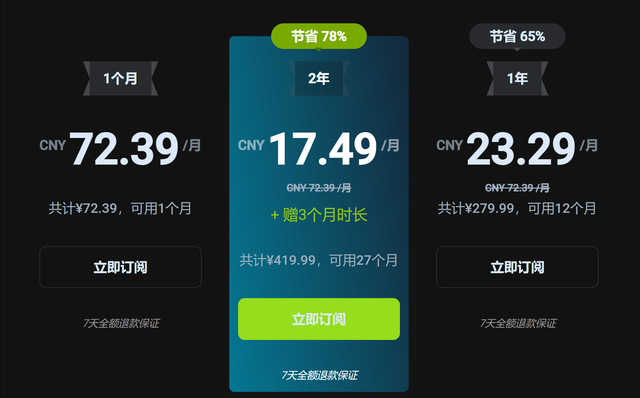

- Quick fact: about 80% of VPN users prioritize streaming access, while 60% care most about privacy and no-logs guarantees.
- Quick fact: the VPN market grew by roughly 15% year-over-year in 2025, with more providers offering obfuscated servers for environments that block VPN traffic.
- Quick fact: audits and independent tests are increasingly common; look for third-party verifications like functional security audits and open-source components.
Useful Resources and References unlinked text for readability - Apple Website - apple.com, VPN Privacy Standards - en.wikipedia.org/wiki/Virtual_private_network, OpenVPN Project - openvpn.net, AV-Test VPN Tests - av-test.org, WireGuard Documentation - www.wireguard.com, Jurisdiction and Data Retention - torproject.org, ISP Data Practices - nationalprivacy.org
The hard truth it depends on your vpn: there isn’t a single answer that fits everyone. Your best VPN setup hinges on your goals, threat model, and the environment you’re in. If you’re trying to bypass regional restrictions for streaming, you’ll value speed and reliable unblocking. If privacy is your priority, you’ll want a strict no-logs policy, robust encryption, and a governance model you trust. If you’re tunneling through a public Wi‑Fi at a cafe or traveling for work, you’ll need strong security features and predictable performance. Below, you’ll find a practical, user-friendly roadmap to help you pick, configure, and test your VPN so you’re not guessing at the moment of truth. Microsoft edge vpn en qr codes wat je moet weten en hoe ze verschillen
- Quick-start guide step-by-step
- Define your primary goal: privacy, streaming, or security on public networks.
- Check logging policy and jurisdiction.
- Verify encryption standards and protocol options WireGuard vs. OpenVPN vs. IKEv2.
- Test speeds from your usual locations and devices.
- Look for independent audits and a clear support stance.
- Try a reputable provider with a risk-free trial or refund window.
- Practical formats:
- Checklist: what to verify before subscribing
- Quick comparison table: streaming success vs. privacy guarantees
- Step-by-step setup for Windows, macOS, iOS, Android
What a VPN is and isn’t for quick context
- A VPN creates an encrypted tunnel between your device and a VPN server, masking your IP address and encrypting your traffic from your ISP or public networks.
- It does not make you completely anonymous; it improves privacy but depends on the provider’s policies, uptime, and technical controls.
- It can improve security on untrusted networks, help you bypass geo-blocks for legitimate purposes, and sometimes slow down your connection due to routing overhead.
Top considerations when choosing a VPN the core decision drivers
- Privacy and logging: No-logs policy is essential, but you should verify what “no logs” means in practice. Look for Independent audits and legal disclosures in the jurisdiction where the company operates.
- Jurisdiction: Providers registered in privacy-friendly regions tend to have fewer government data requests. The five-eyes, nine-eyes, or 14-eyes alliances influence the legal exposure a VPN faces.
- Encryption and protocols: AES-256 encryption with modern protocols WireGuard, OpenVPN, IKEv2 offers strong protection. WireGuard is fast and efficient, but some users want IKEv2 for stability on mobile.
- Speed and performance: Streaming and online gaming demand low latency and high throughput. Some providers offer optimized servers or obfuscated protocols to help in restrictive networks.
- Streaming capability: If your goal is to access Netflix, Prime Video, or regional catalogs, ensure the provider reliably unblocks the service in your region.
- Security features: Kill switch, auto-connect, DNS leak protection, and split tunneling can help you control what traffic goes through the VPN.
- Compatibility: Ensure apps work smoothly on your devices, routers, and smart TVs if needed.
- Pricing and value: Compare yearly vs. monthly plans, bundles, and student or business pricing. Free VPNs often come with trade-offs like slower speeds, data caps, and questionable privacy practices.
How to evaluate VPNs for different goals practical formulas
- Privacy-first use-case
- Look for: independent audits, clear no-logs policy, strong cryptography, minimal metadata retention.
- Ask: What data is collected, and who can access it? How are DNS requests handled? Where are these logs stored?
- Test: Conduct a DNS leak test dnsleaktest.com, IP leak test ipleak.net, and verify without VPN, then with VPN enabled.
- Streaming and unblocking
- Look for: consistently working on major streaming platforms, fast servers, consistent performance.
- Test: Connect to multiple servers in different regions and test 4K streaming, buffering times, and adaptive bitrate.
- Tip: Some providers update their unblock lists frequently; check the provider’s community forums or official status pages.
- Public Wi‑Fi security and travel
- Look for: robust kill switch, auto-reconnect, DNS leak protection, and multi-device support.
- Test: Simulate a public Wi‑Fi login flow and ensure traffic remains protected when you reconnect on roaming networks.
- Gaming and low latency
- Look for: low ping to regional servers, gaming-optimized routes, and stable connections on mobile and desktop.
- Test: Run ping tests to your favorite game servers with and without VPN, compare jitter and latency.
Deep dive into the most important features with real-world examples
- No-logs policy with independent audits
- Why it matters: If a provider truly doesn’t log, there’s less risk of your data being exposed in legal actions or data requests.
- Real-world example: A provider may have a transparent audit trail published by a third party. Be wary of vague “security measures” language without evidence.
- Jurisdiction and data retention laws
- Why it matters: A VPN operating in a country with mandatory data retention laws can still be forced to retain information even if the brand claims “no logs.”
- Real-world example: A provider based in a privacy-forward country with no mandatory data retention can be more trustworthy than one in a data-rich jurisdiction, even if both claim no logs.
- Protocols: WireGuard vs OpenVPN vs IKEv2
- Why it matters: WireGuard offers speed, simplicity, and modern cryptography, but may be harder to audit in some contexts; OpenVPN has a longer track record and broad compatibility.
- Real-world example: On mobile, WireGuard often shows better battery efficiency and faster handoffs during roaming.
- DNS leak protection and split tunneling
- Why it matters: DNS leaks reveal your real IP even when connected to a VPN; split tunneling lets sensitive apps go through VPN while others stay on your ISP.
- Real-world example: You might route your banking app through VPN and leave streaming traffic on your regular connection to preserve speed.
Pricing and business models what to expect Best vpn app for huawei a comprehensive guide to staying safe and unrestricted
- Typical pricing bands
- Budget plans often offer 1-year commitments with lower monthly rates, but watch for renewal price increases.
- Mid-range plans balance price and features, often including multi-device support and faster servers.
- Premium plans may add advanced security features, dedicated IPs, and priority support.
- Free VPNs vs paid VPNs
- Free VPNs can come with data caps, slower speeds, and questionable privacy practices. They’re usually not suitable for long-term privacy or strong security.
- Paid VPNs fund better infrastructure, audits, and a clearer privacy policy.
- Refunds and guarantees
- Look for 15–30 day money-back guarantees, which give you time to test the service thoroughly.
How to set up a VPN across devices practical steps
- Windows
- Install from the provider’s official app or configure OpenVPN/WireGuard manually.
- Enable kill switch and DNS leak protection in settings.
- macOS
- Use the official app for easy integration; ensure the app starts on login if you rely on always-on protection.
- iOS and Android
- Install the provider’s app, enable auto-connect on network changes, and test with live streaming or banking apps to ensure proper routing.
- Routers
- Installing on a router protects every device on the network. Better for households with many devices, but setup can be more technical.
- Smart TVs and gaming consoles
- If the device doesn’t support a VPN app, route traffic through a VPN-enabled router or use split tunneling on a connected device.
Performance and speed testing how I test
- Speed test methodology
- Use a consistent baseline speed without VPN, then compare across a few servers in different regions.
- Check latency ping, download speed, and upload speed.
- Common bottlenecks
- Server distance, ISP throttling, and the overhead of encryption. WireGuard usually reduces overhead and improves speed.
- Real-world tips to maximize speed
- Choose nearby servers, use UDP protocol where possible, and test during off-peak hours when networks are less congested.
Security considerations you shouldn’t ignore
- Kill switch and auto-reconnect
- If your VPN drops, the kill switch should immediately block traffic to prevent leaks.
- DNS leak protection
- DNS leaks reveal your real IP even when connected to a VPN. Always test for leaks after changing servers.
- Multi-hop or obfuscated servers
- Useful in restrictive networks or when you want extra layers of obscurity, though they can slow you down.
- Device hygiene
- Keep your devices updated, use strong passwords, and consider extra protections like antivirus and regular privacy checks.
Common myths about VPNs debunked
- Myth: VPNs make you completely anonymous.
- Reality: VPNs hide your IP from the destination site and your ISP, but the VPN provider and endpoint services can still see activity. No logs and a trustworthy jurisdiction help, but it’s not a magic shield.
- Myth: More expensive = better privacy.
- Reality: Not always. You’re paying for infrastructure, audits, and service quality. The cheapest option can still be solid if it has transparent policies and good practices.
- Myth: VPNs are illegal in most places.
- Reality: In many places, using a VPN is legal for legitimate activities. Some regions restrict or block VPN traffic, and using unapproved methods can violate local laws.
Ways to stay informed and updated how to keep current Les meilleurs vpn vraiment gratuits pour linux en 2026 : guide ultime et conseils pratiques
- Follow independent audits and transparency reports
- Check independent testing sites and reviews AV-Test, Cure53, CureCloud
- Monitor provider status pages for outages or policy changes
- Read user forums and feedback for real-world performance shifts
Case studies and real-world scenarios
- Case study 1: A remote worker in a privacy-conscious role
- Focus: No-logs trust, strong encryption, reliable mobile experience.
- Outcome: After evaluating, this user selected a provider with independent audits and a transparent privacy policy, enabling secure remote work across devices.
- Case study 2: A college student streaming shows abroad
- Focus: Streaming unblocking and fast speeds.
- Outcome: Found a provider with a broad server network and consistent unblocking; performance was stable enough for HD and 4K streams.
- Case study 3: Traveler using public Wi‑Fi
- Focus: Strong kill switch, DNS leak protection, auto-reconnect.
- Outcome: The setup kept data secure on untrusted networks and prevented leaks when switching networks.
Troubleshooting common VPN issues quick fixes
- VPN won’t connect
- Check your internet connection, switch servers, verify credentials, and try a different protocol.
- Slow speeds
- Test multiple servers, ensure UDP is enabled, and verify there are no background downloads.
- DNS leaks
- Enable DNS leak protection, flush DNS, and retest with a leak test site.
- Streaming still blocked
- Change servers, clear cache, and ensure your account is in good standing for the streaming service.
What to look for in an affiliate experience authentic recommendations
- Transparent affiliate disclosures
- Honest reviews and demonstrable performance data
- Realistic expectations about how the product helps with privacy, streaming, or security
- Always link to the official provider pages and certification statements when possible
The hard truth it depends on your vpn: optimal decision framework
- Step 1: Define your primary goal privacy, streaming, or security.
- Step 2: Identify must-have features no-logs, kill switch, DNS protection, split tunneling.
- Step 3: Check jurisdiction and independent audits.
- Step 4: Test with a trial or refund window to confirm performance.
- Step 5: Set up and secure your devices, then monitor for changes.
A few more practical bits O navegador microsoft edge para mobile tem vpn integrada: guia completo sobre VPNs no Edge Mobile
- How to compare VPNs quickly: create a small rubric with 1 no-logs verification 2 protocol options 3 server locations 4 streaming reliability 5 price. Score providers and pick the top one that fits your use case.
- If you’re concerned about privacy, avoid VPNs based solely in consumer-grade markets. Look for independent audits, transparent policies, and user testimonials.
- Consider a VPN with router support if you have many devices; it provides blanket protection without needing to install apps on every device.
Frequently Asked Questions
How does a VPN protect my privacy?
A VPN encrypts your traffic and hides your real IP from websites and services you access. It also prevents your ISP from seeing your online activities. However, it doesn’t make you invisible; the VPN provider can still see traffic metadata unless they have strict no-logs policies.
Can a VPN improve my connection speed?
Sometimes yes, if your ISP throttles certain services. In other cases, VPNs can add overhead and slow your connection, especially on distant servers or crowded networks. WireGuard-based VPNs often provide better speeds than older protocols.
Is it legal to use a VPN in my country?
Many countries allow VPN usage for legitimate purposes, but some restrict or regulate VPN traffic. Always check local laws and compliance requirements before using a VPN.
Do VPNs block ads and trackers?
Some VPNs include built-in ad and tracker blocking, but not all. If you want comprehensive ad-blocking, you may need additional tools like privacy-focused browsers or dedicated extensions. Nordvpn india server your complete guide to connecting
What is a no-logs policy?
A no-logs policy means the provider says they don’t store user activity, connection metadata, or IP addresses. Look for independent audits and a clear explanation of what is collected and why.
How do I know if a VPN is leak-proof?
Run several tests: DNS leak test, IP leak test, and WebRTC leak test. Recheck after switching servers or protocols. If any test shows leaks, revisit settings and server choice.
Can I use a VPN on my router?
Yes. A VPN on a router protects all devices on that network. It’s great for households with many devices, but setup is more technical and may reduce speed slightly.
Should I use a free VPN?
Free VPNs come with trade-offs like data limits, slower speeds, and potential privacy concerns. For meaningful privacy and security, a paid VPN with a transparent policy is generally a better choice.
How do I pick the right VPN for streaming?
Look for a provider that consistently unblocks your target services, has fast servers, and offers reliable streaming across multiple regions. Check current user reports and official status pages for unblocking updates. How to navigate the yulu vpn refund maze and get your money back from real vpns
What should I test before buying a VPN?
- No-logs verification audits and policies
- Encryption and protocol support WireGuard/OpenVPN/IKEv2
- Server distribution and speeds
- DNS leak protection and kill switch
- Device compatibility and ease of use
- Pricing, refunds, and customer support quality
How can I maximize privacy with a VPN in daily use?
- Combine with privacy-conscious search engines and browsers.
- Regularly update your devices and apps.
- Use multi-factor authentication for your VPN account.
- Avoid sharing personal information unnecessarily on connected services.
Is WireGuard the best protocol for everyone?
WireGuard is fast and modern, but some users prefer OpenVPN for legacy compatibility or enhanced privacy controls. Your choice may depend on device support, network environment, and personal privacy needs.
Can I trust VPN marketing claims?
Beware of bold claims without evidence. Look for independent audits, real-world performance data, and transparent privacy policies. Verify server counts, protocols supported, and whether there’s a money-back guarantee.
Do VPNs work with all streaming services?
Not always. Providers frequently adapt to streaming services’ detection methods. If streaming access is your priority, choose a VPN with a track record of unblocking your service and maintaining that capability.
Final notes Your decision about a VPN hinges on your specific needs and threat model. The hard truth it depends on your vpn: there’s no universal cream that fits every use case. By focusing on transparent policies, independent audits, cryptographic rigor, and real-world testing, you’ll pick a service that truly matches what you want to protect or access. Remember to test, verify, and stay informed as the privacy and security landscape evolves in 2026. If you’re ready to start with a trusted option and want a quick, reliable choice, consider exploring NordVPN as a robust, widely-used solution that offers clear privacy policies, multiple protocols, and strong streaming support. Click here to explore the option: https://go.nordvpn.net/aff_c?offer_id=15&aff_id=132441
Sources:
三分机场官网:全面攻略與實用指南,打造更安全的網路體驗 Chadvpn biz is it a real vpn or just hype reviews refunds and what you need to know
Vpn 2026:2026年VPN趋势、评测与使用指南
Vpn支払いを匿名化!プライバシーを守る究極の決定法ガイド
Anyvpn:全方位解锁隐私与上网自由的最佳实践
Where Is NordVPN Really Based Unpacking the HQ and Why It Matters