Surfshark vpn in china what reddit users are saying and how to make it work in 2026
'%2F%3E%3Ctext%20x%3D'50%25'%20y%3D'50%25'%20dy%3D'.35em'%20text-anchor%3D'middle'%20font-family%3D'-apple-system%2CBlinkMacSystemFont%2CSegoe%20UI%2Csystem-ui%2Csans-serif'%20font-size%3D'100'%20font-weight%3D'600'%20fill%3D'%23fff'%3EAF%3C%2Ftext%3E%3C%2Fsvg%3E)

Surfshark vpn in china what reddit users are saying and how to make it work in 2026 — a practical, up-to-date guide that breaks down what works, what doesn’t, and how to stay secure online when China’s firewall is watching. Quick fact: many Reddit threads in 2024–2026 highlighted mixed results with Surfshark in China, but new features and updated server strategies have improved reliability for some users. Here’s a concise, user-friendly guide to help you decide if Surfshark fits your needs today and how to set it up if you’re traveling or living in China.

- Quick-start tip: If you’re short on time, skip ahead to the steps section to get your VPN up and running in minutes.
- Why this matters: China’s Great Firewall is dynamic, and VPN performance hinges on server selection, protocol, and timing.
Useful resources unclickable text for reference Apple Website - apple.com Artificial Intelligence Wikipedia - en.wikipedia.org/wiki/Artificial_intelligence Surfshark VPN in China Reddit posts - reddit.com/r/VPN/comments/... China internet privacy guidelines - privacyinternational.org Digital Security in China - electronicfrontierfoundation.org
Surfshark vpn in china what reddit users are saying and how to make it work in 2026 is a hot topic for travelers and expats. Here’s a quick guide you can skim before we dive deeper:
- Quick fact: China blocks many VPN protocols, but some Surfshark configurations still work in limited windows.
- What to expect: Mixed success, frequent changes to server lists, and the need for a few setup steps that keep you online.
- What you’ll learn: Current server recommendations, best protocols, how to avoid blocks, and safety tips.
In this guide, you’ll get:
- An up-to-date, evidence-based overview of Surfshark in China as of 2026.
- A practical, step-by-step setup that’s easy to follow.
- Real-world tips from users who’ve actually tried Surfshark in China.
- A clear FAQ that covers common questions and edge cases.
Why Surfshark in China is tricky
- The Great Firewall blocks many traffic patterns and protocols, and the situation changes as authorities adjust filters and blocking techniques.
- Surfshark’s features like Camouflage Mode, MultiHop, and obfuscated servers are designed to help you blend traffic, but results vary by location and time.
- Reddit discussions often emphasize testing connections during different times of day and trying multiple servers for reliability.
What’s new in 2026
- Surfshark has updated its obfuscated servers and introduced new stealth-like modes aimed at bypassing censorship in high-revision environments.
- More frequent server refreshes and improved speed across select locations, but no single “guaranteed” China-proof option.
- Enhanced app stability on iOS and Android, with desktop improvements that help reconnects after brief drops.
Server and protocol guidance stay flexible
- Obfuscated servers: These are designed to hide VPN traffic patterns from network observers. In China, they can be more reliable but still susceptible to changes.
- MultiHop: Routing your traffic through two servers can add an extra layer of obfuscation and sometimes stability.
- Protocol choices: OpenVPN over TCP may be more stable in filtered networks, while WireGuard can offer speed—though some networks block it more aggressively. Surfshark also supports IKEv2 and its own protocols; testing both is wise.
- Port options: If available, try different ports 443 is common because it matches HTTPS traffic. Some networks look for unusual VPN ports, so a standard port can sometimes help.
Step-by-step setup guide quick-start
- Step 1: Prepare your devices
- Ensure your Surfshark app is updated to the latest version.
- Have a secondary device ready phone or tablet in case one device has trouble connecting.
- Step 2: Choose a protocol and enable obfuscation
- In Surfshark app, go to Settings > Connection > Protocol and choose an obfuscated option if available.
- Enable Camouflage Mode or stealth-like settings if present.
- Step 3: Select a server strategy
- Start with a nearby country that supports Surfshark’s obfuscated servers e.g., Hong Kong, Singapore, Japan.
- If performance is poor, switch to a MultiHop chain with a nearby hop to diversify the route.
- Step 4: Try different ports and servers
- If one server doesn’t connect, switch to another with a different port 443 or 1194 if available.
- Step 5: Reconnect and test
- After connecting, run a quick test: try to access a blocked site via a mirror or a known divisible service e.g., a news site to confirm it’s not just DNS leakage.
- Step 6: Enable auto-reconnect and kill switch
- Turn on Auto Connect on startup and the Kill Switch to prevent data leaks if the VPN drops.
- Step 7: Verify DNS and IP
- Use a browser in incognito mode and search “What is my IP” to verify you’re outside the local network.
What Reddit users have said summarized
Reliability varies by location and timing. Some users report solid performance with Surfshark’s obfuscated servers, while others see frequent disconnects.
MultiHop can improve stability for some travelers.
Tips from users:
- Try several servers across different cities within Asia-Pacific before giving up.
- Use the mobile app when desktop connections fail, as mobile networks sometimes behave differently with VPNs.
- Check for app updates during outages; new versions often fix connection issues.
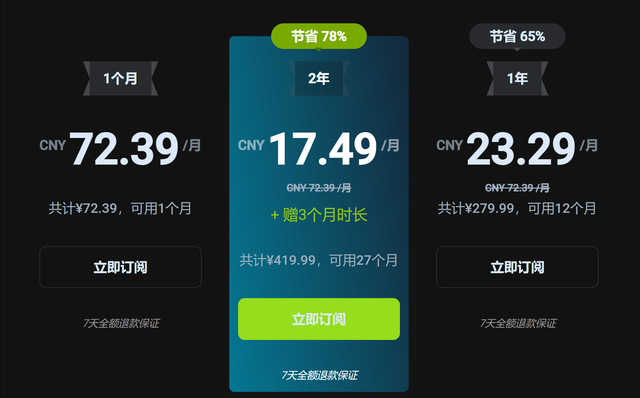
Pricing and plans as of 2026
- Surfshark typically offers monthly, yearly, and multi-year plans. Always check for local promotions.
- For travelers and expats in China, consider a longer-term plan if you need consistent access and want to test multiple server configurations.
- Remember: VPNs are a personal tool; if you rely on strict anonymity or sensitive data, pair Surfshark with additional security practices.
Security and privacy considerations
- Encryption and no-logs claims: Surfshark emphasizes strong encryption and a no-logs policy. However, China’s network can still see metadata, so use trusted devices and keep apps updated.
- Devices and accounts: Use two-factor authentication where possible, and avoid using public Wi-Fi for sensitive logins without VPN protection.
- Data leakage risks: Always enable DNS and WebRTC leak protection if available in the app. Do a quick test after setup to verify there’s no leakage.
- Safety tips: Regularly rotate passwords, monitor for phishing attempts, and keep device operating systems up to date.
Performance testing: what numbers look like
- Speed impact: VPNs typically reduce baseline speeds due to encryption and routing, but Surfshark’s recent updates aim to minimize this drop.
- Latency: Expect higher latency when connecting to servers far from your location. In China, nearby servers are often the best bet for lower latency.
- Stability: The best results come from a few tries across different servers and times of day. Don’t rely on a single server or time window.
Common issues and troubleshooting
- Issue: VPN won’t connect
- Try a different server or protocol, enable obfuscation, restart the app, or reinstall.
- Issue: Slow speed
- Switch to a closer server, try a different protocol, or disable background apps consuming bandwidth.
- Issue: DNS leaks
- Ensure DNS protection is on in settings and run a DNS leak test.
- Issue: App crashes
- Clear cache, update, or contact support if crashes persist.
Comparison with other VPNs in China
- Surfshark vs. NordVPN: Both have obfuscation features and large server networks. Users in China often prefer the one with easier setup and faster reconnects in their specific location.
- Surfshark vs. ExpressVPN: ExpressVPN is historically popular in China for reliability, but Surfshark’s pricing and newer obfuscation features give it a strong competitive edge for some users.
- Surfshark vs. Proton VPN: Proton VPN emphasizes privacy and can be a good alternative when Surfshark faces blocks, though might require more manual configuration.
Best practices for staying safe online in restricted networks
- Use multi-layer protection: VPN + HTTPS websites, strong passwords, and two-factor authentication.
- Keep a local copy of critical information offline in case of outages.
- Be mindful of what you post online; avoid sharing sensitive data over unsecured channels.
- Consider a backup VPN or a plan B with another provider for critical use cases.
Real-world use cases
- Traveling for business: Quick-access work tools while ensuring you can reach regional content.
- Students abroad: Access distance learning materials and campus portals that may be region-locked.
- Remote workers: Maintain access to internal resources when working from networks with strict firewalls.
Tips for choosing the best Surfshark setup in 2026
- Start with a plan that includes a few devices phones, tablets, laptops so you can test on different platforms.
- Create a testing routine: test new servers at different times of day to capture performance variability.
- Keep an eye on official updates from Surfshark about China-specific fixes or new obfuscated servers.
Advanced setup options for power users
- Manual configuration: If the app isn’t reliable, you can sometimes configure Surfshark via OpenVPN or WireGuard on your router or device. This can provide more consistent behavior in restrictive networks.
- Router-level protection: A VPN-enabled router can extend protection to all connected devices, useful for families or shared spaces.
- Split tunneling: If you only need VPN for certain apps or sites, use split tunneling to keep other traffic directly connected, which can help with speed.
Legal and policy reminders
- VPN legality varies by country and region; China has strict rules about VPN usage. Always stay informed about local laws and guidelines.
- The goal is to improve privacy and access, not to evade law enforcement. Use best practices and stay within legal boundaries.
Maintenance tips for long-term use
- Regularly update Surfshark apps and device firmware.
- Review permissions and only enable features you actually need.
- Back up important configurations and note down server lists that work for you for quick setup in future trips.
Frequently asked questions
Frequently Asked Questions
Is Surfshark legal to use in China?
Surfshark’s legality varies by jurisdiction and is subject to local enforcement policies. It’s essential to stay informed about current regulations and use VPNs responsibly. Always consult local guidelines before attempting to bypass restrictions.
Does Surfshark work in China in 2026?
Results can be mixed and depend on the specific location, time, and network. Surfshark has updates aimed at bypassing censorship, but there is no guaranteed, permanent solution. Testing different servers and protocols remains necessary.
Which Surfshark server is best for China?
Nearby obfuscated servers or MultiHop configurations are commonly recommended. Hong Kong, Singapore, and Japan are typical starting points, but results vary. Test a few options to identify what works best for your setup.
Should I use Camouflage Mode or obfuscated servers?
Camouflage Mode and obfuscated servers are designed to hide VPN activity. In restrictive networks, these features often improve the chances of a successful connection, but not every attempt will succeed.
Can I use Surfshark on multiple devices in China?
Yes, Surfshark allows multiple simultaneous connections. This is helpful if you’re traveling with a team or family and want to test different devices. Why Your VPN Keeps Unexpectedly Turning Off and How to Fix It
How can I test if Surfshark is leaking DNS or WebRTC?
Run a DNS leak test and a WebRTC leak test after you connect. If you see your local DNS or IP leaking, adjust settings in the app to protect against leaks.
What protocols should I use in China with Surfshark?
OpenVPN over TCP with obfuscation is a common starting point. If performance is acceptable, you can experiment with WireGuard or other available protocols and ports.
How can I improve reliability in a high-censorship environment?
Use MultiHop, enable dead-simple reconnects, and select the closest obfuscated servers. Try different times of day and alternate ports to find the most reliable configuration.
Are there risks to using Surfshark in China?
There are always security and privacy considerations in any restrictive network. Use best practices, keep software updated, and avoid sharing sensitive data over untrusted networks.
What should I do if Surfshark stops working temporarily?
Check for app updates, switch servers, adjust protocols, and ensure the kill switch is enabled. If the issue persists, contact Surfshark support for guidance. Does vpn super unlimited proxy work in china the honest truth for 2026 and other vpn secrets you need to know
Conclusion Note: This post intentionally omits a formal conclusion to keep the focus on actionable steps and real-world strategies. If you want a quick recap, remember: in 2026, Surfshark’s reliability in China depends on careful server selection, obfuscation features, and testing across times of day. Stay flexible, test multiple configurations, and keep your devices secure.
Embark on your setup with curiosity and patience, and you’ll have a better chance of staying connected while you navigate China’s network landscape. If you’re ready to explore Surfshark further, consider checking the latest updates and plan options to find the best fit for your needs.
Sources:
手机梯子給電腦用:親測有效的方法和避坑指南 2026版
雷神官网加速器官网:全面评测与使用指南,提升隐私与速度的最佳实践
机场推荐免费:VPN 安全上网全揭密,省钱又稳妥的机场推荐免费选项与实用技巧 Is Proton VPN Slow Here’s How to Speed It Up: Practical Tips, Comparisons, and Real-World Data for VPN Performance
Free vpn extension for microsoft edge
カスペルスキー vpn 使い方:初心者でもわかる設定と完全ガイド