How to use vpn microsoft edge: a comprehensive guide to browser extensions and system-wide vpn on windows 2026
'%2F%3E%3Ctext%20x%3D'50%25'%20y%3D'50%25'%20dy%3D'.35em'%20text-anchor%3D'middle'%20font-family%3D'-apple-system%2CBlinkMacSystemFont%2CSegoe%20UI%2Csystem-ui%2Csans-serif'%20font-size%3D'100'%20font-weight%3D'600'%20fill%3D'%23fff'%3ELW%3C%2Ftext%3E%3C%2Fsvg%3E)
How to use VPN Microsoft Edge a comprehensive guide to browser extensions and system wide VPN on Windows: Get a clear, practical walkthrough on protecting your online activity with Edge-friendly VPNs, browser extensions, and system-wide VPN setups on Windows. This guide combines quick-start steps, best practices, and real-world tips to help you stay private, access geo-restricted content, and keep your data safe. Here’s a concise overview of what you’ll learn:
- Quick-start setup for Edge VPN extensions and why they’re useful
- How to enable system-wide VPN on Windows for all apps
- A comparison of browser-based VPNs vs. full-device VPN
- Security considerations, logging policies, and performance tips
- Common troubleshooting steps and FAQ
Useful URLs and Resources text only, not clickable: Apple Website - apple.com, Artificial Intelligence Wikipedia - en.wikipedia.org/wiki/Artificial_intelligence, Windows VPN best practices - en.wikipedia.org/wiki/Virtual_private_network, Edge browser help - support.microsoft.com, VPN comparison sites - www.tomsguide.com, Privacy.org - privacy.org
How to use VPN Microsoft Edge a comprehensive guide to browser extensions and system wide VPN on Windows: A quick fact to start — using a VPN can help mask your IP address, encrypt traffic, and bypass geo-restrictions, but the best approach depends on your needs browser-level vs. device-wide. In this guide, you’ll find a practical, step-by-step path to securing Edge with extensions and to setting up a Windows-wide VPN. Expect a mix of quick-start steps, checklists, and real-world advice so you can pick the option that fits your life.
- Quick-start checklist
- Decide between Edge extensions or a full-system VPN
- Choose a reputable VPN with transparent policies
- Install and configure with minimal friction
- Test for leaks and performance
- Quick-start steps summary
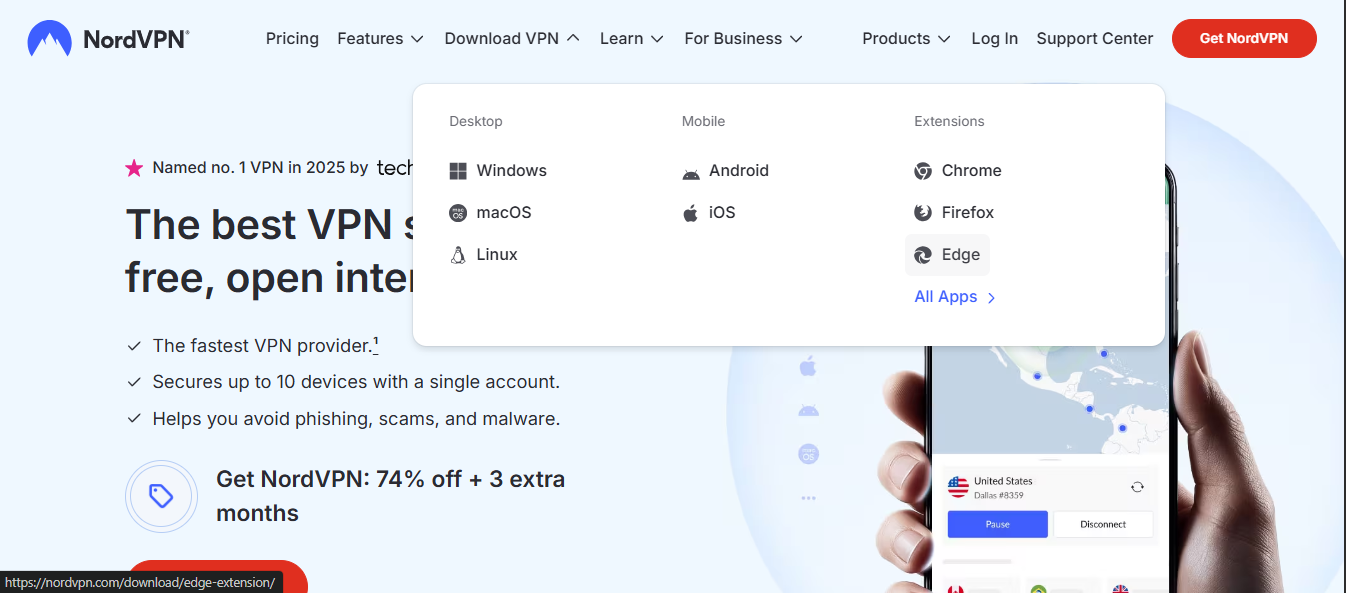
- Install a trusted Edge VPN extension from the Microsoft Edge Add-ons store
- Turn on the extension and select a server location
- For system-wide VPN, install a Windows VPN client or configure a compatible app
- Connect and verify your IP and DNS are protected
- Review privacy policy and kill-switch features
- In-depth sections ahead cover: browser extensions, system-wide VPN, performance and privacy, troubleshooting, and a detailed FAQ.
Useful URLs and Resources text only, not clickable: Apple Website - apple.com, Artificial Intelligence Wikipedia - en.wikipedia.org/wiki/Artificial_intelligence, Windows VPN best practices - en.wikipedia.org/wiki/Virtual_private_network, Edge browser help - support.microsoft.com, VPN comparison sites - www.tomsguide.com, Privacy.org - privacy.org
Understanding the Landscape: Edge Extensions vs. System-Wide VPN
What is a browser extension VPN?
- A browser extension VPN runs inside the Edge browser and only protects traffic that goes through Edge.
- Pros: Quick setup, lighter on your device, handy for stable browsing sessions.
- Cons: Not all traffic is encrypted other apps on your computer may bypass it, potential for leaks if the extension isn’t well-made.
What is a system-wide VPN?
- A system-wide VPN creates a secure tunnel for all network traffic on your Windows device, regardless of the app.
- Pros: Comprehensive protection, prevents leaks from any app, good for media players, games, and background services.
- Cons: Typically uses more system resources, may slow down all traffic, needs careful configuration.
Edge extensions: what to look for
- Reputable providers with clear privacy policies
- No mandatory accounts or questionable data collection
- Built-in kill switch or DNS leak protection if available within the extension
- Regular updates and good user reviews
System-wide VPN: what to look for
- Strong encryption AES-256 and modern protocols WireGuard, OpenVPN
- Clear no-logs or minimal-logs policy
- Reliable kill switch and DNS protection
- Transparent pricing and responsive support
Getting Started: Browser Extensions in Microsoft Edge
Step-by-step: Install a trusted Edge VPN extension
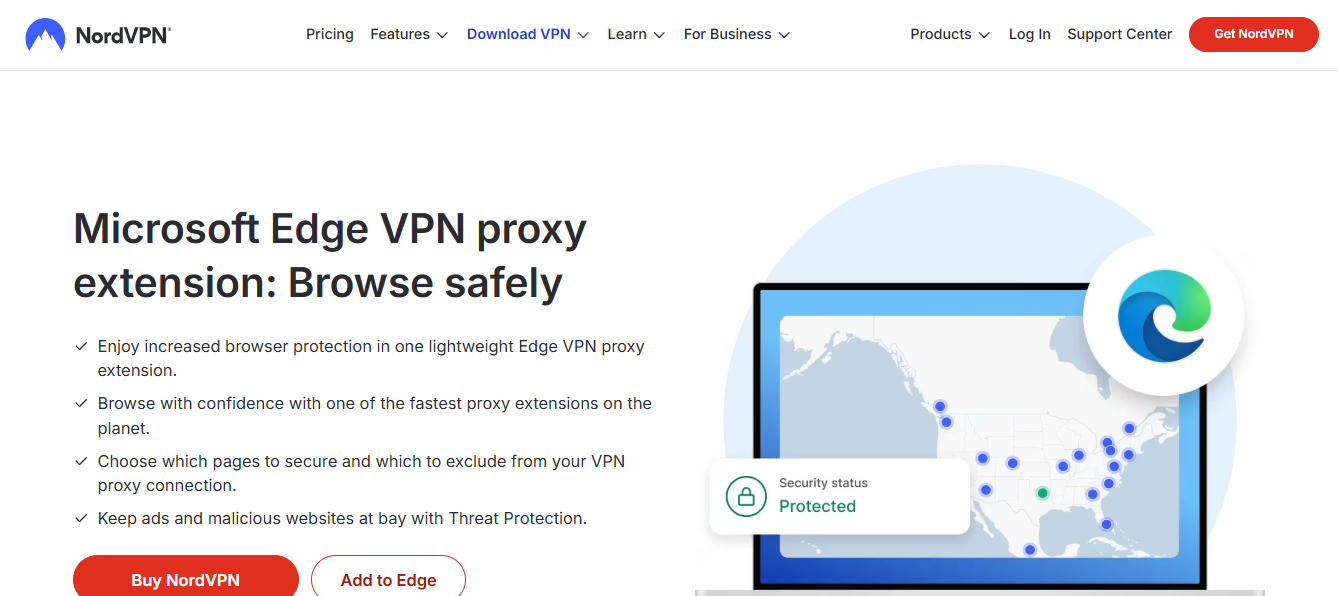
- Open Microsoft Edge and go to Edge Add-ons store.
- Search for a reputable VPN extension e.g., the provider’s official extension.
- Click Add to Edge and confirm installation.
- Pin the extension to your toolbar for easy access.
- Open the extension, log in or create an account if required.
- Choose a server location and enable the VPN.
Tips for effective use
- Always verify the server location matches your intended region.
- Test for DNS leaks after enabling the extension you can use online DNS leak test tools.
- If streaming is your goal, pick servers optimized for streaming and lower latency.
- Disable other VPNs or proxies to avoid conflicts.
Security and privacy considerations
- Read the privacy policy to understand data collection practices.
- Prefer extensions that commit to not logging user activity.
- Be cautious with free extensions; they often come with performance or privacy trade-offs.
- Use a strong, unique password for the VPN account and enable two-factor authentication when available.
Quick comparison: Edge extension VPN vs. Windows native VPN client
- Edge extension: fast to enable, browser-specific
- Windows native VPN: broader coverage, requires configuration but works with all apps
- Use-case examples:
- Edge extension: Safelisting sites while browsing, location spoofing for research
- System-wide VPN: Secure remote work, privacy while using email apps, and software updates
Setting Up a System-Wide VPN on Windows
Step 1: Choose the right VPN service
- Look for: AES-256 encryption, WireGuard/OpenVPN support, no-logs policy, independent security audits, clear terms of service.
- Confirm servers in your preferred regions and streaming capabilities if relevant.
- Check device compatibility with Windows 10/11.
Step 2: Install the VPN client
- Download the official Windows VPN client from the provider’s website.
- Run the installer and follow on-screen prompts.
- If your provider offers a manual setup L2TP/IPsec, IKEv2, you can configure via Windows Settings.
Step 3: Configure settings for privacy and performance
- Enable the kill switch to prevent data leakage if the VPN drops.
- Choose the most secure protocol available WireGuard is a common good balance of speed and security.
- Enable DNS leak protection to ensure DNS queries go through the VPN tunnel.
- Consider split tunneling only if you need non-VPN traffic for certain apps.
Step 4: Connect and verify
- Open the VPN app and connect to a server.
- Check your public IP address and location to confirm it changed.
- Use a DNS leak test site to ensure DNS requests are encrypted and private.
Step 5: Ongoing maintenance
- Regularly update the VPN client and Windows OS to mitigate security risks.
- Review server locations if you notice slow performance and switch to a nearby server.
- Periodically test for leaks and ensure kill switch functionality remains active.
Performance, Privacy, and Practical Tips
Performance optimization
- Choose servers physically close to you to reduce latency.
- Opt for protocol choices known for speed WireGuard often beats OpenVPN for many connections.
- Close unused background apps that might be consuming bandwidth.
- If you’re streaming, enable QoS-friendly settings or use optimized servers.
Privacy best practices
- Always read the privacy policy for logging details.
- Prefer providers with independent audits and transparent court-ordered data disclosure policies.
- Use two-factor authentication to protect your VPN account.
- Avoid saving credentials in your browser or the VPN client if possible.
Troubleshooting common issues
- VPN won’t connect: Check account status, server availability, and internet connection. Restart the app or device.
- Slow speeds: Switch servers, change protocol, or temporarily disable other VPNs.
- DNS leaks: Recheck DNS settings and enable DNS leak protection.
- Kill switch not engaging: Reinstall or update the VPN client and verify firewall rules.
Real-world use cases
- Remote workers protecting corporate data while on public Wi-Fi.
- Privacy-conscious users who want to hide IP addresses while browsing.
- Travelers accessing region-locked content securely.
- Researchers collecting data from different regions without revealing location.
Practical Comparison: Edge Extensions vs. System-Wide VPN Side-by-Side
- Coverage
- Edge extension: browser-only
- System-wide VPN: entire device
- Setup time
- Edge extension: minutes
- System-wide VPN: 10-20 minutes including configuration
- Security level
- Edge extension: decent, depends on extension quality
- System-wide VPN: higher, full-traffic protection
- Performance impact
- Edge extension: lighter
- System-wide VPN: more noticeable, varies by provider
- Use-case fit
- Edge extension: quick privacy for browsing, light streaming
- System-wide VPN: comprehensive privacy, remote work, all apps
Advanced Tips: Getting the Most from Your VPN Setup
- Use the best available server for your location and purpose work vs. streaming.
- Regularly audit your VPN account activity and access devices list if provided.
- If you travel internationally, pre-select servers in your destination country to avoid delays during setup.
- Combine Edge extensions with a system-wide VPN for layered security some users run Edge extension for quick tasks and a system-wide VPN for sensitive activities.
- Consider a backup VPN option or a secondary account for redundancy in case of outages.
Frequently Asked Questions
Can I use a VPN extension and a system-wide VPN at the same time?
Yes, but it can cause conflicts or double encryption overhead. It’s usually better to choose one primary method per activity. You can use the Edge extension for browser-specific needs and a system-wide VPN for all other traffic when necessary, but disable one when not needed to avoid conflicts.
Do VPNs slow down my internet speed?
Often yes, because traffic is routed through a VPN server. The extent depends on server location, protocol, and provider capacity. Choose nearby servers and modern protocols like WireGuard to minimize speed loss.
Is a free VPN safe to use?
Free VPNs can be risky due to data logging, limited bandwidth, and weaker security. If you must use a free option, limit it to non-sensitive browsing and verify the provider’s privacy practices. Free vpn for edge: comprehensive guide to using free VPNs with Microsoft Edge, setup tips, and best practices 2026
What’s a kill switch, and why do I need it?
A kill switch blocks all network traffic if the VPN disconnects unexpectedly, preventing accidental data exposure. It’s essential for maintaining privacy in case of VPN dropouts.
How do I test for DNS leaks?
Use an online DNS leak test tool. If you see DNS requests outside the VPN tunnel, you have a DNS leak and should adjust settings or switch servers.
Can VPNs bypass government censorship?
Some VPNs can help access restricted content, but legality varies by country. Always comply with local laws and terms of service.
Will a VPN hide my online activity from my ISP?
A VPN hides your activity from your ISP’s view, but it doesn’t make you invisible. Some metadata may still be visible to the VPN provider or under legal requests.
Is it safe to use VPNs on public Wi-Fi?
Yes, VPNs significantly improve security on public networks by encrypting traffic and masking your identity. Edge vpn download for android: complete guide to installing, configuring, and securing your Android device with Edge VPN 2026
How often should I update my VPN software?
Regular updates are important for security. Check for updates weekly or enable automatic updates if possible.
What should I do if my VPN stops working?
Check server status, restart the app, verify network connectivity, and review firewall or antivirus settings. If needed, contact the provider’s support.
Quick Start Summary for Edge and Windows VPN
- Start with Edge: Install a trusted Edge VPN extension, enable it, and connect to a nearby server.
- For full protection: Install a Windows VPN client, configure settings kill switch, DNS protection, protocol, and connect to a server.
- Verify your setup: Check IP, location, and perform a DNS leak test.
- Maintain your privacy: Review provider policies, enable two-factor authentication, and keep software up to date.
- Troubleshoot as needed: Reboot, switch servers, update software, and consult provider support.
Final Quick Reference: What to do Today
- Pick your approach: Edge extension for quick privacy during browsing or a system-wide VPN for all traffic.
- Install and configure: Follow the step-by-step guide above for your chosen method.
- Test and verify: IP, location, and DNS leakage checks.
- Stay secure: Use strong authentication, keep software updated, and review privacy policies.
- Save this guide: Keep a note of your preferred server locations and settings for quick setup in the future.
Frequently Asked Questions Expanded
1 What’s the main difference between Edge extension VPN and system-wide VPN?
2 Can I watch geo-restricted content with a VPN in Windows?
3 How do I know if my VPN is protecting my DNS queries?
4 Are there any risks using VPNs on work devices?
5 How do I set up a VPN on Windows 11 specifically?
6 Can I use a VPN for torrenting safely?
7 What is split tunneling and when should I use it?
8 How do I pick a server location for streaming vs. privacy?
9 Do VPNs work on mobile devices as well?
10 How can I test the reliability of a VPN provider before subscribing?
Yes, you can use a VPN in Microsoft Edge by installing a VPN extension from the Edge Add-ons store or by setting up a system-wide VPN. In this guide, you’ll get a practical, step-by-step approach to both methods, plus tips, real-world scenarios, and troubleshooting. We’ll break things down into simple steps, compare browser-based VPNs to full-device VPNs, and share best practices so you can stay private and access the content you want without hassle. If you’re shopping for a VPN, NordVPN often runs big discounts—check this deal:
Useful resources you can reference as you read unlinked text version:
- How to use VPN in Edge - support.microsoft.com
- Edge extensions store - apps.microsoft.com
- NordVPN official site - nordvpn.com
- ExpressVPN official site - expressvpn.com
- WhatIsMyIP.com - whatismyipaddress.com
Introduction: what you’ll learn and why it matters How to use vpn microsoft edge is more than “turn on a toggle.” It’s about choosing the right tool for the job—whether you need browser-level privacy, geo-unblocking, or full-traffic protection for every app on your PC. you’ll learn: Fastest free vpn extension for Chrome Firefox Edge and other browsers 2026: speed, safety, setup, and best free options
- The two main ways to run a VPN with Edge: browser extensions vs. a system-wide VPN
- How to install and use Edge VPN extensions with practical, screen-by-screen steps
- When a system-wide VPN is better, and how to set it up on Windows so all Edge traffic is covered
- Security checks you should run DNS leaks, IPv6 handling, kill switch behavior
- Performance tips to minimize speed loss and maximize reliability
- Real-world use cases, including streaming, remote work, and privacy on public Wi-Fi
- Common issues and fast fixes so you’re never stuck
Now let’s dive in and get you protected, whether you’re browsing in Edge or using Windows apps alongside Edge.
Understanding the two main ways to use a VPN with Microsoft Edge
There are two practical approaches to VPN protection when you’re using Edge, and each has its own pros and cons.
Browser extension VPNs Edge extensions
- What they do: Route only Edge traffic or, in some cases, all traffic from your browser through the VPN service.
- Pros: Quick to set up, often cheap or free with a plan, easy to switch servers, minimal system impact.
- Cons: Some apps outside Edge aren’t protected, you may still leak DNS in non-browser contexts if the system isn’t configured correctly, not all extensions provide a true kill switch.
System-wide VPN on Windows
- What it does: Creates a tunnel for all traffic from the device, including Edge and any other app.
- Pros: Strong, comprehensive protection. ideal for public Wi‑Fi, torrenting, and apps that aren’t browser-based.
- Cons: Usually requires a paid plan, may reduce performance across all apps, needs a bit more setup.
Understanding these options helps you decide what fits your goals. If privacy and geo-unblocking in Edge alone is enough, a browser extension might be ideal. If you want blanket protection, a full-device VPN is the smarter choice. Edge client vpn 2026
Using Edge browser extensions for VPN
Edge extensions are the fastest, most user-friendly way to route Edge traffic through a VPN.
Step-by-step: install and enable a VPN extension in Edge
- Open Microsoft Edge and go to the Edge Add-ons store.
- Search for “VPN” or the specific provider you trust for example, NordVPN, ExpressVPN, Surfshark, or TunnelBear.
- Click the extension you want and select Add to Edge.
- Edge will ask for permission to add the extension. approve it.
- In the Edge toolbar, click the extension icon, sign in with your VPN account if required, and connect to a server.
- Verify your connection by visiting whatismyipaddress.com or similar to confirm your IP has changed.
- If the extension offers a “kill switch” or “auto-connect” option, enable it for extra safety.
What to expect with Edge extensions
- You’ll typically see a small shield or VPN indicator in your Edge toolbar when the extension is active.
- You can often switch servers quickly, choosing locations to optimize streaming, latency, or privacy.
- Some extensions offer split tunneling, which lets you decide which sites or apps go through the VPN. Use this feature if you only need VPN protection for sensitive sites.
Limitations and best practices
- Remember: Edge extensions usually protect only Edge traffic. If you use another browser or apps that rely on your network, they might not be protected unless you enable a system-wide VPN.
- To minimize leaks, keep your Edge extension updated and avoid disabling it mid-session.
- Enable built‑in DNS leak protections if the extension provides them and consider a separate DNS‑leak test site to confirm there’s no leakage.
Quick tips for extension users
- Always pick a reputable provider with a well-reviewed Edge extension.
- Use the closest server to your location for the best speeds, unless you need a specific country for streaming or access.
- If you’re on a shared or public network, turn on the extension before you start browsing to maximize protection from the get-go.
Using a system-wide VPN on Windows for Edge traffic
If you want every app on your PC protected, set up a system-wide VPN. This includes Edge, but also any other browser, app, or background service.
Step-by-step: setting up a Windows VPN connection
- Subscribe to a reputable VPN service that provides a Windows app and/or configuration files.
- Download and install the provider’s Windows app, or, if you’re setting up a manual VPN, collect the required server address, VPN type IKEv2, L2TP, WireGuard, etc., and your login credentials.
- If you’re using the provider’s app, sign in and connect to a server. Most apps include a big “Connect” button and a server list that’s easy to scan.
- If you’re manually configuring a VPN, go to Settings > Network & Internet > VPN > Add a VPN connection, fill in the details, and save.
- Connect to the server. Once connected, Edge traffic will route through the VPN tunnel automatically.
- Verify the VPN is active by visiting whatismyipaddress.com and checking the location and IP shown.
- Use the provider’s kill switch option if available to prevent traffic leaks if the VPN disconnects unexpectedly.
Why choose a system-wide VPN?
- It’s comprehensive: all traffic, including Windows updates and desktop apps, rides through the VPN.
- It’s easier to use if you share a PC with others or if you frequently switch between Edge and other apps that require privacy or geo-block circumvention.
- It’s essential for public Wi-Fi scenarios where you want to reduce risk across all activities, not just browsing.
Potential drawbacks
- A system-wide VPN can slow down your entire connection, since all data travels through the VPN tunnel.
- Some streaming services actively block traffic from known VPN servers, so you might need to switch servers to get a stable, fast connection.
- You’ll typically need a paid subscription for premium servers and features like a true kill switch or split tunneling.
Edge extension vs system VPN: a quick comparison
Edge extension
- Best for: Quick privacy on Edge, lighter on your device, simple to toggle on and off.
- Trade-off: Limited protection. not ideal if you use many apps beyond Edge.
System-wide VPN
- Best for: Full-device privacy, secure on public networks, consistent protection across all apps.
- Trade-off: Slightly heavier on performance. setup can be more involved. usually needs a subscription.
Practical scenario: If you’re streaming from a service that blocks your country, a browser extension might let you switch to a country-specific server with minimal hassle. If you’re working remotely on a company network or using public Wi‑Fi at a cafe, a system-wide VPN keeps everything safer. Does edge have a vpn and is Edge Secure Network a real VPN in 2026
Security, privacy, and performance considerations
Security basics you should check
- DNS leaks: Make sure your VPN or extension has a built-in DNS leak protection. A DNS leak would reveal your real location even when you’re connected to a VPN.
- Kill switch: A kill switch stops all traffic if the VPN drops, preventing accidental exposure.
- IPv6 handling: Some VPNs don’t route IPv6 by default, which can cause leaks if disabled. ensure IPv6 is either properly tunneled or disabled in your app if not supported.
- WebRTC leaks: Some browsers can expose your IP via WebRTC. disable WebRTC or enable browser protections if your VPN doesn’t cover this.
Performance considerations and tips
- Server proximity: Pick a server geographically close to you for better speeds and lower latency.
- Protocols: If your VPN provider supports WireGuard or OpenVPN, experiment with these for better performance and stability.
- Split tunneling: If you don’t need VPN coverage for every site, use split tunneling to route only essential traffic through the VPN.
- Device resources: Extensions tend to be lighter than full VPN clients, but if you notice slowdowns, try a different server or a full-device VPN to see which is faster for your setup.
Real-world numbers to guide decisions
- Global VPN market size continues to grow, with demand driven by privacy concerns and geo-blocked content. Analysts project a multi-billion-dollar market through 2026 and beyond.
- Desktop browser usage: Windows remains the dominant desktop OS with roughly 70–80% market share in many regions, while Microsoft Edge holds a smaller but steady share among browsers StatCounter data around 2024. This means Edge users often pair Edge with a VPN for privacy without needing to leave the browser.
- For streaming, many people report noticeable speed differences when switching servers or using a WireGuard-based VPN protocol, especially when connecting to servers in high-demand areas.
Common use cases for VPN in Edge and Windows
- Privacy when browsing on public Wi‑Fi at cafes, airports, or hotels.
- Accessing geo‑blocked content from services that restrict by country or region.
- Safe remote work: protecting sensitive browsing and work-related apps on a corporate network or personal device.
- Bypassing censorship or network restrictions at schools or workplaces where legal and allowed.
- Reducing tracking by masking IP addresses when you want a less personalized browsing experience.
Troubleshooting: fast fixes if VPN in Edge isn’t behaving
- If a browser extension won’t enable, try reloading Edge, reinstalling the extension, or updating Edge to the latest version.
- If a system VPN won’t connect, ensure you have the latest VPN app, check account status, and try a different server.
- If pages load slowly, switch to a nearby server, try a different protocol, and check your baseline internet speed to see if the VPN is the bottleneck.
- If DNS leaks appear, enable DNS leak protection in the VPN app or switch to a DNS service that’s integrated into the VPN.
- If you’re seeing IP or location mismatches, clear browser cache, flush DNS on your PC, or reboot your router to ensure you’re seeing clean results after reconnecting.
- For Edge extension conflicts, disable other extensions temporarily to isolate the issue and test the VPN in a private window to see if browser settings are impacting performance.
Edge-specific tips for better experiences
- Keep Edge and extensions up to date. Compatibility improves with new releases, and security patches reduce risk.
- Use Edge’s built-in tracking prevention settings for a second layer of privacy, but remember this doesn’t replace a VPN.
- If you use multiple devices, choose a provider that supports cross-device protection and syncs preferences e.g., server lists, favorites, kill switch settings to keep your workflow smooth.
- When streaming in Edge, try servers optimized for streaming if your VPN offers them. many providers label these as “US Streaming,” “UK,” or “EU” variants.
Frequently Asked Questions
1 What is the difference between a VPN extension and a system VPN?
A VPN extension is a browser-level solution that tunnels only your browser traffic Edge, in this case, while a system VPN creates a tunnel for all traffic from your PC, covering Edge and every other app you use. Extensions are quick and lightweight. system VPNs are comprehensive and safer for public networks.
2 Can I use a VPN in Microsoft Edge without a paid subscription?
Some providers offer free extensions with limited data or servers. However, for reliable performance and stronger security, a paid plan is usually worth it. Free options often come with restrictions or potential data limits.
3 How do I verify that my VPN is working after enabling it in Edge?
Visit whatismyipaddress.com or ipchicken.com to verify your IP address and location reflect the VPN server you chose. If you don’t see the expected changes, you may be on a browser extension that only protects Edge traffic or you may have a DNS leak.
4 Will a VPN slow my browsing down?
Sometimes, yes, especially if you’re connected to distant servers or using a VPN protocol with higher overhead. But using nearby servers, a faster protocol like WireGuard, and enabling split tunneling when available can minimize performance hits.
5 Does using a VPN on Edge protect my data on public Wi‑Fi?
In general, yes. A VPN creates an encrypted tunnel for your data, making it harder for anyone on the same network to monitor your traffic. Pairing a VPN with a passcode on your device and keeping Edge updated adds extra layers of protection. India vpn chrome free 2026: best free VPNs for Chrome in India for privacy, streaming, and secure browsing
6 Can I use a VPN to access geo‑blocked content in Edge?
Yes. A VPN can make it appear as if you’re browsing from a different country. However, some streaming services actively block known VPN IPs, so you might need to switch servers if you encounter blockages.
7 How do I fix VPN not working in Edge?
Check that the extension is connected, verify server status, and ensure there are no conflicts with other extensions. For system VPNs, verify account status and server availability, and try reconnecting. Rebooting the PC can also resolve stubborn issues.
8 Is there a risk of DNS leaks with Edge VPN extensions?
There can be. Use extensions that include built‑in DNS leak protection and consider testing DNS leaks with dedicated test sites. If leakage is detected, enable DNS protections or switch to a different server or protocol.
9 Can I use multiple VPNs at once in Edge?
Generally no and not recommended. Running two VPNs simultaneously can create conflicts and worsen performance. Choose either a browser extension plus a system VPN under a unified policy or rely on one robust solution.
10 Does Edge have a built‑in VPN?
No, Edge does not include a built‑in VPN. You’ll need to use either a browser extension or a system-wide VPN to achieve VPN protection with Edge. The browser’s privacy features do not replace the encryption and routing provided by a VPN. Is ultrasurf a vpn: what it is, how it works, why it isn’t a real VPN, and smarter alternatives for privacy in 2026
11 Are there privacy benefits to using VPN with Edge?
Yes. A VPN helps mask your IP and encrypts traffic, which reduces risk on untrusted networks. It also helps minimize eavesdropping by third parties and can prevent certain types of profiling based on location data.
12 How often should I update my VPN extension or Windows VPN client?
Keep both Edge extensions and Windows VPN applications updated regularly. Updates often include security patches, performance improvements, and new server options that can enhance your experience.
13 Can I use VPNs for corporate or school devices with Edge?
Likely yes, but you should ensure you’re compliant with your organization’s policies. Some organizations prohibit third‑party VPNs or require you to use a specific corporate VPN. Always check policy before enabling.
14 What about privacy beyond VPNs—cookies, trackers, and Edge settings?
VPNs protect your IP and data in transit, but they don’t automatically block all trackers or cookies. Pair your VPN with Edge’s tracking prevention settings, regular cookie cleanup, and consider using a privacy-focused extension if needed.
Closing notes
Using a VPN with Microsoft Edge is about choosing the right tool for the job. If you need quick privacy for Edge-only browsing, start with a reputable Edge extension. If you want your entire PC protected on public networks, a system-wide VPN is the better path. Either way, keep security features enabled, verify your IP and DNS status after you connect, and choose server locations strategically to balance speed and access. J. edge review 2026
Remember, the goal isn’t just to hide your location. it’s to protect your data and keep your online activity private and flexible. With the guidance above, you’ll have a reliable setup that fits your browsing style—Edge-focused privacy or full-device protection—and you’ll know how to troubleshoot common hiccups without breaking your flow.
Vpn平台在全球的使用与选择:2025-2026 完整指南